I sold an old couch on Facebook Marketplace last fall, and within an hour of posting it, a “buyer” asked to move the conversation to WhatsApp because Marketplace messaging was “acting up on their end.” I didn’t think twice about it at the time. In hindsight, that was the first red flag I completely missed.
What followed was a scam attempt that I almost fell for, and I’ve since realized how common this exact pattern is once you start recognizing it. I want to walk through what happened, what I’ve learned from talking to other people who’ve dealt with similar situations, and the specific habits that actually protect you.
How the Couch Scam Played Out
The buyer agreed to my asking price of $150 almost immediately, which honestly should have been red flag number two. They said they’d send payment right away and asked for my Zelle information.
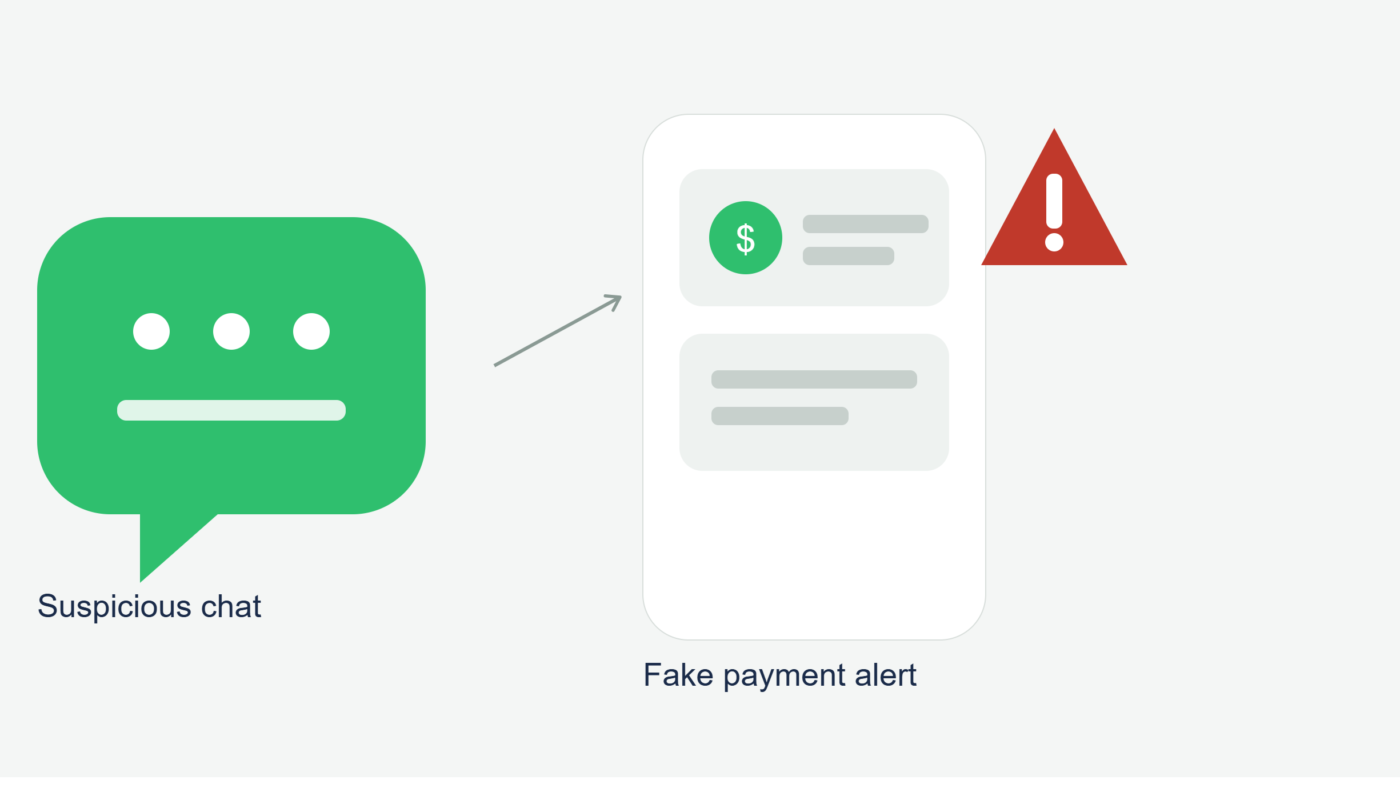
A few minutes later, I got a screenshot in the WhatsApp chat showing a completed transfer for $650 instead of $150. The message that followed claimed it was an accident, that they’d meant to send it to a mover who was coming to pick up the couch, and could I please refund the difference through a gift card since their bank transfer “takes a few days to process.”
I actually opened my banking app to check before responding. No $650 had landed anywhere. That screenshot was fake, made to look exactly like a real transfer confirmation. I never sent a cent back, blocked the account, and reported it, but I’ve talked to at least three other people since then who’ve heard some version of the same setup.
Why This Scam Works So Well on WhatsApp Specifically
Marketplace platforms like Facebook and Craigslist increasingly flag suspicious behavior and warn users about scams. Scammers know this, so moving the conversation to WhatsApp gets them into a space with less built-in scam detection and a more personal, less guarded feel.
WhatsApp also doesn’t have a way to verify that a payment screenshot is real. There’s no system checking whether that “Zelle confirmation” image is legitimate or something edited in a photo app. The platform is just showing you an image someone sent, nothing more.
The Most Common WhatsApp Payment Scam Patterns I’ve Come Across
After my own experience, I started paying closer attention, and the same handful of patterns keep showing up in stories from friends, neighbors, and online communities.
The overpayment refund scam — exactly what happened to me. A fake payment screenshot for more than the agreed amount, followed by a request to refund the difference before you realize the original payment never actually arrived.
The urgent shipping or customs fee scam — usually tied to a marketplace purchase where the “seller” suddenly needs an extra fee sent through a gift card or wire transfer before they can ship an item that, in most cases, never existed in the first place.
The fake support or account verification message — a message claiming to be from a bank, payment app, or even Meta itself, asking you to click a link and “verify” your account by entering card or login details.
The urgent family emergency request — a message claiming to be from a relative or friend on a new number, needing money sent quickly for an emergency, often deliberately vague about details to avoid getting caught in a lie.
The romance or long-distance relationship scam — a relationship that develops over weeks or months, eventually leading to requests for money for a supposed emergency, travel cost, or medical issue.
I’m not going to walk through the exact wording scammers use for any of these, because that’s genuinely more useful to someone trying to run the scam than someone trying to avoid it. What matters is recognizing the shape of these situations, not memorizing specific phrases.
Step-by-Step: What to Actually Do When Something Feels Off
Here’s the process I use now, built directly from what I wish I’d done faster during the couch situation.
- Verify payment independently. Never trust a screenshot. Open your own banking or payment app and confirm the funds have actually arrived before doing anything else.
- Slow down on anything urgent. Scammers rely on urgency to stop you from thinking clearly. If someone is pressuring you to act immediately, that pressure itself is a warning sign.
- Never send a refund for an overpayment you haven’t personally confirmed. If a payment doesn’t show up in your actual account, there’s nothing to refund.
- Don’t move off-platform without a reason. If someone insists on switching from a marketplace or verified platform to WhatsApp for no clear reason, be more cautious, not less.
- Verify identity through a separate channel. If a message claims to be from a family member, friend, or business, call them directly using a number you already have, not one provided in the suspicious message.
- Never pay anything through gift cards. Legitimate businesses, family members, and buyers do not request gift cards as a form of payment or refund, period.
- Report and block immediately. WhatsApp lets you report a contact directly from the chat menu, and it’s worth doing even if you didn’t lose money, since it helps flag the account for others.
A Mistake I Made That Made Things Worse Before They Got Better
Before I checked my actual bank account, I typed out a message half-agreeing to send the refund “once I confirm it clears,” basically negotiating with the scammer instead of just stopping the conversation entirely. That response probably signaled I was still engaged and worth continuing to work on.
The moment I actually logged into my bank app and saw no transfer had happened, I stopped responding entirely and blocked the number. Looking back, I should have verified first and responded second, not the other way around.
A Story That Ended Better Than Mine
A neighbor of mine deals in used camera gear and gets contacted through WhatsApp fairly often after listing items online. He told me about a buyer who tried the exact same overpayment trick, except he’d already been burned once before and knew to check his account immediately.
When the funds weren’t there, he simply replied that he’d ship the item once the actual payment cleared, with no further discussion about refunds. The scammer disappeared within minutes. No back and forth, no negotiation, just a flat refusal to engage with a payment that didn’t exist.
Common Mistakes to Avoid
- Trusting a payment screenshot without checking your own account first
- Engaging in back-and-forth negotiation with someone who’s already shown signs of running a scam
- Moving from a safer, more monitored platform to WhatsApp without a genuine reason
- Sending any form of gift card as payment or refund, ever
- Assuming a familiar-sounding voice note or profile photo automatically confirms someone’s identity
- Skipping the report and block step because no money was actually lost
Final Thoughts
I still sell things online occasionally, and I still end up chatting with buyers on WhatsApp sometimes, but the couch situation changed how I handle every single one of those conversations now. The scam itself wasn’t particularly sophisticated once I actually stopped and looked at it clearly. It relied entirely on me trusting an image instead of checking my own accounts, and moving quickly instead of slowing down.
If there’s one habit worth taking from all of this, it’s simple: never trust a payment claim you haven’t verified yourself, no matter how convincing the screenshot, the urgency, or the story attached to it looks. That one check would have ended the whole thing for me in under a minute.