Last spring I booked six personal training sessions from a trainer I found through a mutual friend. She didn’t have a website, didn’t have Square terminal, didn’t even have a business Instagram. Everything happened over WhatsApp — scheduling, cancellations, and eventually, payment.
When it came time to pay, she sent me a message that just said “here’s the link” with a Stripe checkout URL. I paid with my Chase credit card, got a digital receipt, and figured that was that.
Three weeks later, she ghosted after session two. No refund, no response. That’s when I actually learned how the credit card side of a WhatsApp transaction works, because I had to dispute the charge with my bank.
I’m sharing that story because it’s the most honest way to explain this topic. A lot of guides talk about WhatsApp payments like it’s some seamless in-app wallet system. For U.S. users, it’s really not that. It’s more like a messaging layer sitting on top of your actual credit card, and understanding that distinction is what actually protects you.
The Part Everyone Gets Wrong First
WhatsApp does not process your credit card itself in the U.S. There’s no “WhatsApp Wallet” holding your card number, and there’s no native checkout screen built into the app for American accounts.
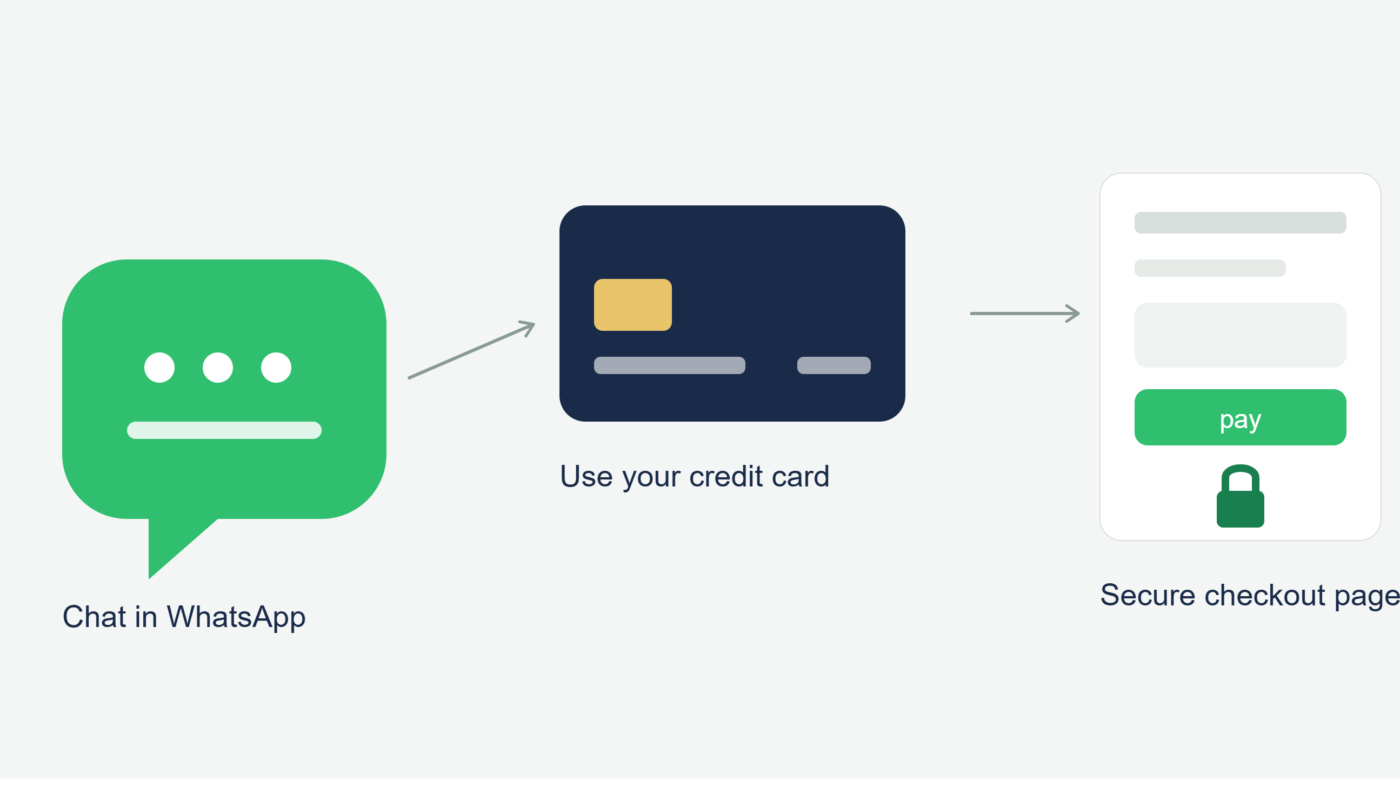
What actually happens is this: WhatsApp is the conversation. The card processing happens on a separate, connected page run by a real payment company — usually Stripe, Square, or PayPal, depending on who you’re buying from.
I only fully understood this after looking at my bank statement following the training sessions. The charge didn’t say “WhatsApp” anywhere. It said “STRIPE * [trainer’s business name].” WhatsApp was just where the conversation and the link lived.
This matters because when something goes wrong, you’re not disputing a charge with WhatsApp. You’re disputing it with whichever processor and card issuer actually touched your money.
How a Typical WhatsApp Credit Card Transaction Actually Flows
Here’s the play-by-play, based on what I’ve seen across a handful of small sellers and service providers I’ve paid through WhatsApp over the past year:
- You chat with a business or individual on WhatsApp, often a WhatsApp Business account (you can usually tell because there’s a small storefront icon or catalog tab).
- They send you a payment link generated through Stripe, Square, PayPal, or occasionally Venmo/Zelle for individuals.
- You tap the link, which opens outside WhatsApp in your browser or a secure in-app browser view.
- You enter your credit card details on that page, not inside the WhatsApp chat itself.
- The transaction processes through the card network (Visa, Mastercard, Amex, Discover — whatever you used), same as any other online purchase.
- You get a receipt, usually by email, and the seller gets notified back in the WhatsApp chat.
None of your actual card data touches WhatsApp’s servers in this flow. That’s actually the safer version of how this should work.
Where It Gets Risky: When People Skip the Link
The version that gets people in trouble is when someone asks you to just type your card number directly into the WhatsApp chat instead of using a link.
I’ve had two different sellers over the past year ask me to do this “to save time.” I said no both times, and I’d tell anyone reading this to do the same. Once your card number is sitting in a chat message, there’s no encryption standard, fraud monitoring, or processor protecting that number the way a real checkout page does. It’s just text sitting in a conversation.
If a business genuinely can’t send you a proper payment link, that’s usually a sign they’re either not set up professionally or they’re trying to avoid processing fees in a way that shifts risk onto you.
Credit Card vs Debit Card: Why It Actually Matters Here
When I finally called Chase about the trainer situation, the rep walked me through exactly why using a credit card instead of my debit card mattered.
With a credit card, I was disputing charges using the bank’s money, not mine, while the investigation happened. My actual checking account balance was never touched. Chase credited the disputed amount back within a few days while they looked into it, and after about three weeks, the credit became permanent once the merchant never responded to the dispute.
If I’d paid with my debit card, that money would have come directly out of my bank account first, and I’d have been waiting for it to come back, which can take longer and occasionally requires more paperwork depending on the bank.
This is really just standard credit card protection, but it applies exactly the same way whether you found the seller on Etsy, at a farmer’s market, or through a WhatsApp chat. The platform doesn’t change your consumer protections — the payment method does.
Real Example: A Small Business That Got It Right
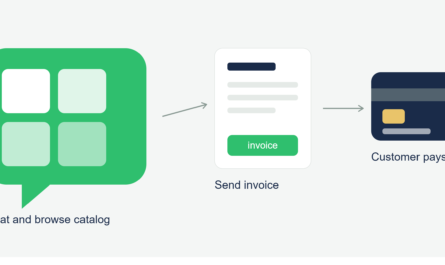
Not every WhatsApp seller story ends like mine did. I ordered a birthday cake from a home baker who runs her whole business through WhatsApp Business. She sent a catalog with photos, I picked a design, and she sent a Square invoice for a deposit.
I paid with my Amex, got a proper itemized receipt by email, and picked up the cake three days later exactly as ordered. When I paid the remaining balance, same process, same clean paper trail.
The difference between that experience and the trainer situation wasn’t WhatsApp. It was that the baker used a real invoicing system every single time, which meant there was a documented trail if anything had gone wrong.
Step-by-Step: How to Protect Yourself Paying With a Credit Card Through WhatsApp
- Always ask for a payment link, never type your card number directly into a chat message.
- Check the link before entering anything — make sure it’s a recognizable processor like Stripe, Square, or PayPal, not a shortened or unfamiliar URL.
- Use a credit card over a debit card for any purchase from someone you don’t know personally, so you keep dispute rights and don’t touch your actual bank balance.
- Save every receipt and screenshot the conversation, especially for services paid in installments or over time.
- Watch for unusual fee categorization. Occasionally a payment routed through a personal P2P-style link can post as a “cash advance” instead of a normal purchase, which comes with extra fees and no grace period on interest. If you’re unsure, ask your card issuer how a specific type of transaction will be coded before sending a large amount.
- If something goes wrong, contact your card issuer directly, not WhatsApp. WhatsApp has no ability to reverse a charge; your bank or card network does.
The Mistake I Made That I Haven’t Seen Mentioned Elsewhere
Here’s something I didn’t think about until it bit me. When I originally paid the trainer, I used my card’s tap-to-pay feature through Apple Pay inside the Stripe checkout page rather than typing the card number manually. I figured this was extra secure, and it kind of was.
But when I went to dispute the charge, it took Chase a little longer to locate the transaction details because it was processed as a digital wallet payment layered on top of Stripe, rather than a straightforward card swipe. It still worked out fine, but the rep specifically told me that keeping a plain screenshot of the payment confirmation page, not just the Apple Pay notification, would have sped things up.
So now I always screenshot the actual checkout confirmation screen, not just the little “Paid” notification banner on my phone.
Common Mistakes to Avoid
- Typing your credit card number directly into a WhatsApp chat instead of using a payment link
- Using a debit card for unfamiliar sellers instead of a credit card with dispute protection
- Assuming WhatsApp itself can help resolve a payment dispute (it can’t; the card issuer handles that)
- Not saving receipts or screenshots until after a problem shows up
- Ignoring the difference between a “purchase” transaction and a “cash advance” style payment, which can carry extra fees
Final Thoughts
WhatsApp isn’t secretly running its own credit card processing system in the U.S., and once you understand that, the whole thing makes a lot more sense. It’s a messaging app that businesses and individuals have found clever ways to sell through, using real payment processors underneath the conversation.
That trainer situation cost me two sessions’ worth of money for about three weeks before Chase sorted it out, but it also taught me exactly how to protect myself the next time. And there’s always a next time, because more small businesses seem to be running entirely through WhatsApp chats every month.
Use a real payment link, pay with a credit card instead of debit when you’re dealing with someone new, and keep your receipts. That’s really the whole system once you strip away the confusion.